
Marketing with Video and Rich Media Blog

51 ways to use web video to help your business grow

video wall


As bandwidth increases and video production costs continue to decrease businesses are beginning to adopt video as a primary method of communicating with their customers and prospects. In-house or outsourced, video is quickly becoming a marketer’s media tool of choice for two reasons: video is engaging and, more importantly, video is persuasive. Here are some of the ways that businesses are using video to help improve their bottom line:

Customer Reference Videos

1.  Customer Testimonials (Popularity: Moderate  | Growth Potential: High)
Nothing is more compelling than seeing and hearing your customer (ideally in their own environment) extol the virtues of your products and services or explaining how your company helped them to achieve their business goals. These videos usually run from fifteen second snippets to a minute and are typically combined with or used to support other marketing material.

2. Success Stories (Popularity: Moderate  | Growth Potential: High)
Similar to a customer testimonial these videos run between one and two minutes and follow an interview format where the person on screen answers questions posed by an interviewer just off-camera. These videos are usually delivered as stand-alone marketing support materials and are often grouped with other customer success stories.

3. Video Case Study (Popularity: Low  | Growth Potential: Moderate)
A video case study combines customer testimonials with more a more in-depth explanation of how your company’s products and services helped your customer be successful. These case studies usually incorporate two voices – a narrator and the voice of your customer and can run anywhere from two to five minutes. The video structure follows the same “Problem, Solution, Benefit” format found in a printed case study and usually include b-roll or other supporting text and video.

4. Man-in-the-street Interviews (Popularity: Low  | Growth Potential: Moderate)
These videos are typically done to promote events and to build buzz around coming events but can also be employed to capture ‘spontaneous’ responses to targeted questions that help promote your product or service or to help differentiate the benefits of your brand compared to the real or imagined problems associated with your competitors. Consumer focused companies such as soft drink manufacturers, phone companies and fast food companies often use this video format in advertising but you are starting to see this type of video appear as a stand-alone promotion on business websites or YouTube business channels.  Sometimes these videos are genuine. Sometimes they are completely staged. ‘Authenticity’ is, in some sense, becoming a style…

5. Customer Presentations. (Popularity: Low  | Growth Potential: Low)
If one of your customers is presenting at a conference, trade show or event or even in your offices and is talking about your products or services either directly with you or indirectly as part of a larger discussion this may be a perfect opportunity to capture the presentation of video (with permission, of course) to re-purpose on your website and intranet.

Product and Service Promotion

6. Product Presentations (Popularity: Moderate  | Growth Potential: High)
Product (or service) presentation videos are typically employed early in the buying cycle. Product or service presentations focus on benefits and talk from your customer’s perspective. They should speak clearly to how your product solves a specific business, personal or economic problem that your prospect is experiencing. They are used to help your customers and prospects differentiate between the benefits of your products and services to those of your competitors.

7. Product Demonstrations (Popularity: Moderate  | Growth Potential: High)
Product demos show how your product works and highlight the features that differentiate it from that of your competitors. Software screen captures, a 3D cut-away, or a high impact demo by a presenter are all excellent ways of showing how your product or service works. These videos are typically used to influence a prospect who is relatively far along in the sales cycle. In technology marketing these videos would be targeted at the technical approvers who need to understand how something works. In consumer marketing these would be targeted at the economic buyers of larger ticket items who may be further along the sales process.

8. Product Reviews (Popularity: Low  | Growth Potential: Moderate)
The best product reviews are trusted third party reviews. Video reviews can be found anywhere from YouTube to various business portals. To the extent they are positive and promote your brand, they should be referenced. You can also partner with trusted third parties to create product reviews for your own products.

9. Visual Stories (Popularity: Moderate  | Growth Potential: High)
Quickly rising in popularity, visual stories employ illustrations, animations and motion graphics with a voice-over to explain complex products or services in a simple and compelling manner. These are sometime referred to as ‘explainers’ and are usually between one and three minutes in length. A new version of this tool, used primarily for entertainment, are websites that offer predefined characters and backgrounds that you can both animate and add an automated voice to (sort of like building your own Second Life commercials). You will begin to see many new hosted services offering customizable cloud-based animation modeling options – some good and some quite awful.

Corporate Video

10. Corporate Overview (Popularity: High  | Growth Potential: moderate)
These videos are the video equivalent of the ‘company brochure’ for small companies – intended to give new visitors to a website a better idea of the company. Corporate overview videos typically company history, key products, executives/owners and other top level business info. As the cost of video production continues to decrease and the popularity of video increases you will start to see these videos being replaced by multiple, more targeted video.

11. Executive Presentations (Popularity: Low  | Growth Potential: Moderate)
Whether you are preparing for a quarterly update, responding to a major event in your industry or making a regularly scheduled presentation there is great value in presenting the “face” and “voice” of your leadership team to all of your constituents.

12. Staff Presentations (Popularity: Low  | Growth Potential: Moderate)
Social media and other Web 2.0 trends have caused companies to reconsider how they communicate with external audiences. Your senior leadership team should not be the first and only consideration to represent your company. It is becoming more imperative to consider showcasing the people that drive the day-to-day operations of your company. Customer service representatives, technical experts and legacy workers are all valuable considerations for this new category of corporate video. Surveys show that there is more trust associated with these employees than with senior management. When you are selling to influencers in organizations (versus economic buyers or decision makers) it is especially important you represent your company with people that your customers and prospects can relate to.

13. Corporate facilities or equipment tour (Popularity: Low  | Growth Potential: Low)
Ten years ago corporate facility videos and equipment tours were popular. Down-sizing, off-shoring, outsourcing, a couple of recessions and a hollowing out of North America’s manufacturing base has change the priorities placed on these videos. Uniqueness is key to success here. That said, it’s really not about you and your stuff any more – it’s about how you can solve your customers problems.

14. Annual Report / Review (Popularity: Low  | Growth Potential: Low)
Public companies are legally obliged to create annual and quarterly reviews. As well, larger privately held companies also create their own quarterly and annual reviews. As print continues to fall out of favor video will either supplement or replace these materials.

15. Video Signature and Video Introduction (Popularity: Low  | Growth Potential: Moderate)
Social media sites like LinkedIn and Facebook are just starting to enter into the corporate culture even though they have been part of the social culture for years. Other social sites like web-based dating services are now commonplace. Video is becoming a key component in how you ‘sell’ yourself, in your private life… and in business. A video signature is a video (either embedded or direct link to video) that is in the signature portion of your email. Introductory videos serve the same purpose – to give people who don’t know you a better idea about who your are.

Training

16. Training (Popularity: Moderate  | Growth Potential: High)
Corporate video first gained prominence with training (service, support, sales, personal development etc.) and continues to be one of the best uses of video. Online Video is a cost effective substitute for in-class training. You can also easily integrate video into online training management tools.

17. Overnight expert videos (Sales Support)  (Popularity: Low  | Growth Potential: Moderate)
If you serve a large geographic area or sell through channels then it is well worth the effort to put together short ‘overnight expert’ sales support videos that highlight the key selling points, features, benefits, objection handling and follow-up issues to consider by your direct or channel sales force.

18. Just-in-time learning (‘How-to’ Videos)  (Popularity:Moderate  | Growth Potential: High)
Contextual training videos are becoming very popular on the web. ‘How-to’ videos, video manuals, on-site video reference, quick assembly demos, and other types of video are being used to supplement or replace traditional training. Mobile video will increase the popularity of this type of video.

Customer Support

19. Post sale support and maintenance videos (Popularity: Low  | Growth Potential: Moderate)
No one reads manuals. You can save thousands of dollars of post sale support by creating informative assembly, installation and maintenance videos for your products and services.

20. Website FAQ Video (Popularity: Low  | Growth Potential: Moderate)
In certain formats video can be a suitable replacement for text where an authoritative voice, support materials or other visual references are required. A list of FAQ’s answered by a company expert is an example.

21. Live, two-way video (i.e. Apple’s FaceTime or Skype)
I believe an interesting application for mobile computing and video is going to evolve around the ability to incorporate live and recorded video into the customer support process. Imagine being able to show someone the problem you are having with their product rather than trying to describe it or send them a photo. Showing someone the problem is just the beginning. Getting a step-by-step video response with someone talking you through the solution – live… that’s the holy grail of customer support. Most companies will dismiss this as too expensive. Other companies, like Apple, will integrate these types of services into their entire brand experience.

Internal Communications

22. Internal Communications (Popularity: Low  | Growth Potential: Moderate)
In larger companies few people have the time or interest to understand what other groups or functions within the company do or even why they exist. Internal videos that highlight business plans, new business activities and achievements can improve knowledge transfer and lead to more effective communications. They are also a great way to show off your local heroes. These videos can be either live or recorded and are typically used in larger more geographically dispersed companies. As employees continue to work from home these videos will become more important.

23. Event/Conference and Trade Show Communications. (Popularity: Low  | Growth Potential: Low)
Most companies spend a disproportionate amount of their marketing budget on attending and participating in a variety of industry events and yet only a very small percentage of employees ever benefit from these activities. Share the knowledge gained at these events by capturing the presentations, demos, interviews, commentaries etc. on video.

24. Employee orientation (Popularity: Low  | Growth Potential: Moderate)
Once your new recruits are on board employee orientation videos are a great way to get new staff up to speed. Company history, structure, procedures, policies and codes of behavior can all be communicated effectively with video.

25. Health, Legal & Safety (Popularity: Low  | Growth Potential: Moderate)
The cost of dealing with health and safety related issues within organizations continues to grow. Video is one of the most effective means of minimizing these costs.

Advertising , Marketing  and Promotion

26. Commercials (Popularity: High  | Growth Potential: High)
While advertisers are becoming more selective in how they chose to spend their promotional dollars with broadcast television, other venues for commercials such as online video pre-roll, online sponsorships, in-game advertising, event sponsorships and in-theatre advertising are starting to take the place of broadcast / cable commercials. A proliferation of video screens cropping up on every building, device and structure will create an even more diverse set of advertising opportunities. The challenge will be to create specialized content targeted to ever- shrinking niche audiences.

27. Viral Video (Popularity: High  | Growth Potential: High)
A video is viral if it is so compelling that people want to share it. (Calling a video ‘Viral’ doesn’t make it so). Viral videos have to be extremely engaging, entertaining, shocking or meaningful to be successful. Unfortunately some of the most successful viral videos have little connection (and therefore value) to any brand. Everyone references ‘Will it Blend’ but very few viral videos are remotely this successful in actually driving sales. Viral video is very difficult to do well.

28. Email Video (Popularity: Moderate  | Growth Potential: High)
Testing has shown that open rates can double if you include video in your email marketing activities. To be effective the video should be purpose-built to elicit a specific conversion activity such as requesting a demo, more info, etc. E-mail is seeing a resurgence with marketers and embedded video in emails (like gmail supports) or links to video in email is becoming very popular.

29. Infomercials (Popularity: High  | Growth Potential: Moderate)
Infomercials have been around forever. While they continue to be the primary focus of web-based parody videos they have remained remarkably resilient over time. The shopping channel is, in effect, a 24 hour infomercial. If done well, Infomercials can be very effective at selling certain consumer products.

30.  Content Marketing (Popularity: Low  | Growth Potential: Huge)
This is a broad category that will become very important over the next months and years. Much of the content (video or otherwise) being created today by companies is focused on selling and focused on the brand. Focusing on solving your customers problems first and then associating your brand with those solutions will be increasingly more important and effective. (i.e. Home Depot has developed branded ‘how-to’ series that sits on their website and shows their customers how-to fix various things around the house. ) What knowledge do you have that can help your customers and prospects. People don’t go to your website to see your sales pitch. They go to see if you can solve their problem.

31. Landing pages and micro sites (Popularity: Moderate  | Growth Potential: High)
Video is beginning to replace or supplement text and graphics as a content element on many corporate websites. Landing pages can offer a more compelling call to action with video. Some micro sites on larger web properties are self contained, purpose-built conversion machines that have the singular purpose of generating a conversion activity (sign-up for more info, attend event, order something etc.). Video is becoming an important part of the conversion process.

32. Interactive Video (Popularity: Low  | Growth Potential: High)
The promise of interactive video has been around for years but we’re just starting to see companies build in interactivity into their videos. You can build in calls to action, form fields, multiple scenarios and any number of engaging content that get people to not just passively watch your video but actually gets them to start to interact with your video. Technology will play a huge role in interactive video over the next few years. You can already see the foundations of this with YouTube allowing you to add annotations and links to videos.

33. Branded Entertainment and Sponsored Video (Popularity:Moderate  | Growth Potential:Moderate)
Viral Video in many ways is just branded entertainment. There are many ways companies can benefit from having their names attached to content. In the ’50 the ‘soaps’ were a great way for P&G and other consumer companies to promote their brand. Everyday there is a new format for sponsored video being created for delivery on the web. Many will fail but some will become hugely popular. Associating your brand with the right entertainment and informational content on the web is a very interesting opportunity.

PR Support and Community Relations

34. Video Press Releases (Popularity: Low  | Growth Potential: High)
The standard four paragraph press release is now being supplemented with video and rich media to tell a more engaging story. Video is now being purpose-built to directly support the important company announcements. The new challenge for press releases is to change the focus from the company to the customer.

35.  PR Support Materials (Popularity: Low  | Growth Potential: Moderate)

Make it easy for networks, bloggers, news gathers and others to promote your business and also to talk about your industry. Smart companies are developing video support catalogs of company and industry related materials (b-roll, industry footage, sound bites etc) and offering them to news and business portals. The demand for video is everywhere. If a news agency (online or broadcast) is looking for stock footage to use in a story it might as well be yours. (assuming the story is positive, of course)

36. Community Relations Video (Popularity: Low  | Growth Potential: Moderate)
If your company is out working in the community, being good corporate citizens, helping the environment or contributing to important causes you should be capturing those efforts on video. Show the world what you are doing, don’t just talk about it.

37. Corporate Talk Show / Interviews (Popularity: Low  | Growth Potential: Moderate)
Weekly newsletters require a lot of effort and the ‘open’ rate on most of these is quite low. Companies of all sizes are now starting to develop talk-show format video where a host interviews various people (either internal or external to their company) to discuss things that are important to your audience. Think of it as the long tail of interviews where very specific interviews are being delivered to very specific audiences.

38. EPK (electronic press kit)  (Popularity: Low  | Growth Potential: Moderate)
While EPK’s are still being delivered on DVD, web based video and text are quickly replacing this electronic version of the press kit which became popular in the mid 90′s.

Event Video

39. Event Presentation video (Popularity: Low  | Growth Potential: Moderate)
Events represent a unique confluence of expertise and opportunity – often under-leveraged. Trade Shows, meeting and conferences are usually attended by your top sales people, your corporate executives, industry experts and other influential business people. If you are speaking at an event or someone is referencing your company you should be capturing this valuable content on video.

40. Round table Sessions (Popularity: Low  | Growth Potential: Moderate)
Take the opportunity at an event to corral four to six of your best customers and other industry experts, put them in room and video tape them talking about industry trends, business issues and the future of your industry. This content will be the most valuable content you could ever capture.

41. Q&A Expert sessions. (Popularity: Low  | Growth Potential: Moderate)
There are many opportunities to take specific event participants to the side and take them through informal Q&A sessions on various topics that matter to your customers. This content is valuable lead generation content.

Other Uses of Video

42. Recruitment Videos (Popularity: Low  | Growth Potential: Moderate)
Finding the best employees is the single most important function of any company and yet comparatively small amounts of time and money are allocated to this critical task. Recruitment videos that feature company employees, highlight corporate culture and promote the direction of the company can be very influential.

43. VLOG (Popularity: Moderate  | Growth Potential:Moderate)
There are many levels and types of Vloggers today but for the sake of brevity I will identify two: 1. Pro Vloggers who have engaging styles, rich content and a growing list of followers who promote their vlog on their site and through various syndicated channels and 2. Regular Vloggers who have chosen, for whatever reason, to speak into a camera instead of typing on a keyboard. The problem today is that, unlike onscreen text, you can’t scan a vlog – you have to watch the whole thing to see whether it is worth your time. The other problem is that most people just aren’t that compelling on camera so there is little, to no value of a talking head – and often it’s a distraction. Of course everyone references Gary Vaynerchuck (from Wine Library TV) as the rule (rather than the exception) for video blogging in the same way that everyone references the success of Will It Blend as being what to expect when you launch your first viral video project. For individuals looking to gain notoriety from their passions vlogging can be a good option if you have a good on-camera presence and great content.

44. In Store Video (Popularity: Low  | Growth Potential: High)
Wal-Mart has its own profitable in-store TV network that makes shoppers aware of new promotions. LCD screens are ubiquitous. In store LCD’s will be networked and customizable offering you the ability to promote your own goods and services or make money by promoting other complimentary services.

45. Company Lobby / Waiting Room Video (Popularity: Low  | Growth Potential: Moderate)
HD video screens are popping up everywhere – why not in your lobby or reception where you can get a jump start on first impressions and also take advantage of a captive audience.

46. Mobile Video (Popularity: Low  | Growth Potential: Huge)
Yep, ‘there’s an Ap for that’. Mobile video will soon be the largest video category outside of broadcast. In the short-run, mobile video will consist of hastily re-purposed video made to fit on a mobile device. It will quickly evolve into a much more specific format – i.e.  five to fifteen second hyper targeted messages that are part of geo-located (‘location aware’) and micro-niched promotions. Adding mobility (true context) to video will generate many new uses and formats for video.

47. Market research, focus groups and polling (Popularity: Low  | Growth Potential: Moderate)
Market research firms are now capturing the anecdotal feedback along with the raw statistics of their research. If a picture is worth a thousand words then a video of your customer describing her likes and dislikes of your new product is priceless. Go to YouTube to see how people are describing your products and services.

48. Video White paper (Popularity: Low  | Growth Potential: Low)
Video white papers have evolved over the last years from basically a person reading a white paper on camera (what’s the point) to a professional delivery that is accompanied by charts, graphs and other visual references to make the presentation more valuable.

49. Video Magazine (Popularity: Low  | Growth Potential: Low)
Some video production companies specialize in helping companies deliver serialized video content to their customers. Like the name implies video content is created on a regular basis (usually monthly) that customers and prospects can view through a subscription service. While it makes sense to apply tradition formats to new technology and ideas, not all ideas transfer as elegantly as others.

50. Customer UCG Campaigns (Popularity: Low  | Growth Potential:Moderate)
User Generated Content Campaigns- where customers are encouraged to upload videos showing how they use your products are becoming quite popular. Contests are usually the driver but sometimes just giving customers a forum to express themselves is enough.

51. Behind the Scenes Video (Popularity: Low  | Growth Potential:Low)
Personalize your brand. Open up the cultural veil and let customers and products understand who you are – a group of humans rather than a ‘brand’. Authenticity is important.

Have I left any out? Let me know.


Bonus Applications:

52. Projection Mapping. Like everything else related to video, the costs of projecting video is dropping quickly. As a result you are starting to see innovative applications of projected video. Here are some great examples: http://econsultancy.com/us/blog/7676-16-mind-blowing-examples-of-big-brand-projection-mapping?utm_medium=email&utm_source=newsletter

Top viral videos of 2010

A pub full of beer-hardened British Soccer fans singing a love song – doesn’t get any better than that!

The British online brand magazine Popsop has issued their top ten ‘contagious’ videos of the year. (You can see them all here).  A great selection because it showcases a number of videos that didn’t get a lot of media attention here in North America. Near, or at the top of every list this year is the ubiquitous Old Spice ‘Smell like a man’ series. Another great one to watch is Levis’ ‘The guy who walks across America.’ Check out the ‘making of‘ video as well – they put a lot of time and effort into this video.

But hands down my favorite is ‘The Puma Hardchorus’. I’m a sucker for singing soccer hooligans. The video is simple, the juxtaposition of these rugged soccer fans singing this delicate love song is wonderful and there’s actually a bit of harmony in that song. Nicely done Puma!

The power of video. A story told well can reach a broad audience.

“Rosling believes that making information more accessible has the potential to change the quality of the information itself.” – Business Week Online

Doctor and health researcher Hans Rosling has spent the last few decades of his career making statistical analysis more engaging. In this recent video (an excerpt from a BBC series – The Joy of Stats) Rosling employs animation to demonstrate how the overall health and wealth of everyone on earth has advanced over the past 200 years and more importantly, how developing nations appear to be catching up to the more prosperous western nations. While I can’t comment on whether the oversimplification of such a complex issue as global health is a good or bad thing, I am impressed with the effectiveness of Rosling’s presentation. Almost any message – corporate, educational, or otherwise can benefit from a healthy dose of ‘show me don’t tell me.’ Risling employs a compelling mix of enthusiasm and animation to highlight the important points of his message. At two million YouTube views (remember this isn’t Lady Gaga or Justin Bieber), this video clearly demonstrates that a story told well can reach a broad audience.

I’d also like to believe that the story being told is both positive and hopeful.


The implications of Yogi Bear’s shocking death

.

Warner Brothers has to be impressed, very angry and a little nervous, most likely in that order.

Edmund Earle, a recent animation graduate from the Rhode Island School of Design, developed his own ‘alternate ending’ to the current Yogi Bear movie based on the ending of the movie ‘The Assassination of Jesse James by the Coward Robert Ford.’ Earle’s video is impressive (especially considering he did it himself) and will no doubt help to launch a successful animation career.  Earle refers to the video as a parody hoping to fall into ‘fair use‘ protection and avoid litigation. YouTube, like Hollywood is rife with ‘Parody’, ‘Inspiration’ ,’Homage’ , and people otherwise copying the style, themes or ideas of others.

This issue isn’t new but because the video is so well done, I believe it could start a much larger debate over ‘fair use.’ The simple claim would be that Earle is not directly making money off of a copyrighted brand, it was intended as a ‘parody,’ so – no harm no foul. WB on the other hand could claim harm and they might have a point. This video might also generate a huge amount of buzz for a movie that is still in theaters. (Wouldn’t it be brilliant if WB was actually behind this as a publicity stunt…)

Regardless of the legal issues or what side of the ‘fair use’ argument you happen to fall on, the implications of this video are significant to your company:

1. How much control do you have over your brand?
Is it okay for anyone to do anything they want with your brand, your copyrighted material and your intellectual property as long as they call it a parody? Most industry observers concede that social media is causing companies to lose control of their brands.

2. How should you react when this happens?
The easy and correct answer is – it depends. How much harm was caused? What are the short and long term implications? Will reacting or not reacting cause greater harm in the future? What are the PR implications to how you react? Do you scream like a petulant child or do you embrace (and therefore co-opt) the transgressor?

3. How does this ‘new reality’ affect your business and your brand in the future?
I believe this is the important consideration in this matter – the question all companies should be considering right now.  A few years ago the technology didn’t exist to allow one talented individual to develop and share something like this. Today it does. All bets are off. This is going to happen again and again, in many different ways with many different consequences.  Companies may or may not be protected by the law (just ask the recording industry), so what should you do to anticipate and embrace this change? Do you build this new reality into your future brand and business planning or do you fight kicking and screaming? Should WB start hiring more lawyers or should they be encouraging animators to develop alternate endings to some of their movies – like this one, while they are still in theaters?

Should you be steadfastly protecting your brand or sharing it with the masses?

Bzaar Vzaar promotional video: Oliver Stone adds drama to corporate video.

.            {Click on image and scroll to bottom of page to view video}


Oliver Stone invents a new video category – ‘corporate video trailer’.

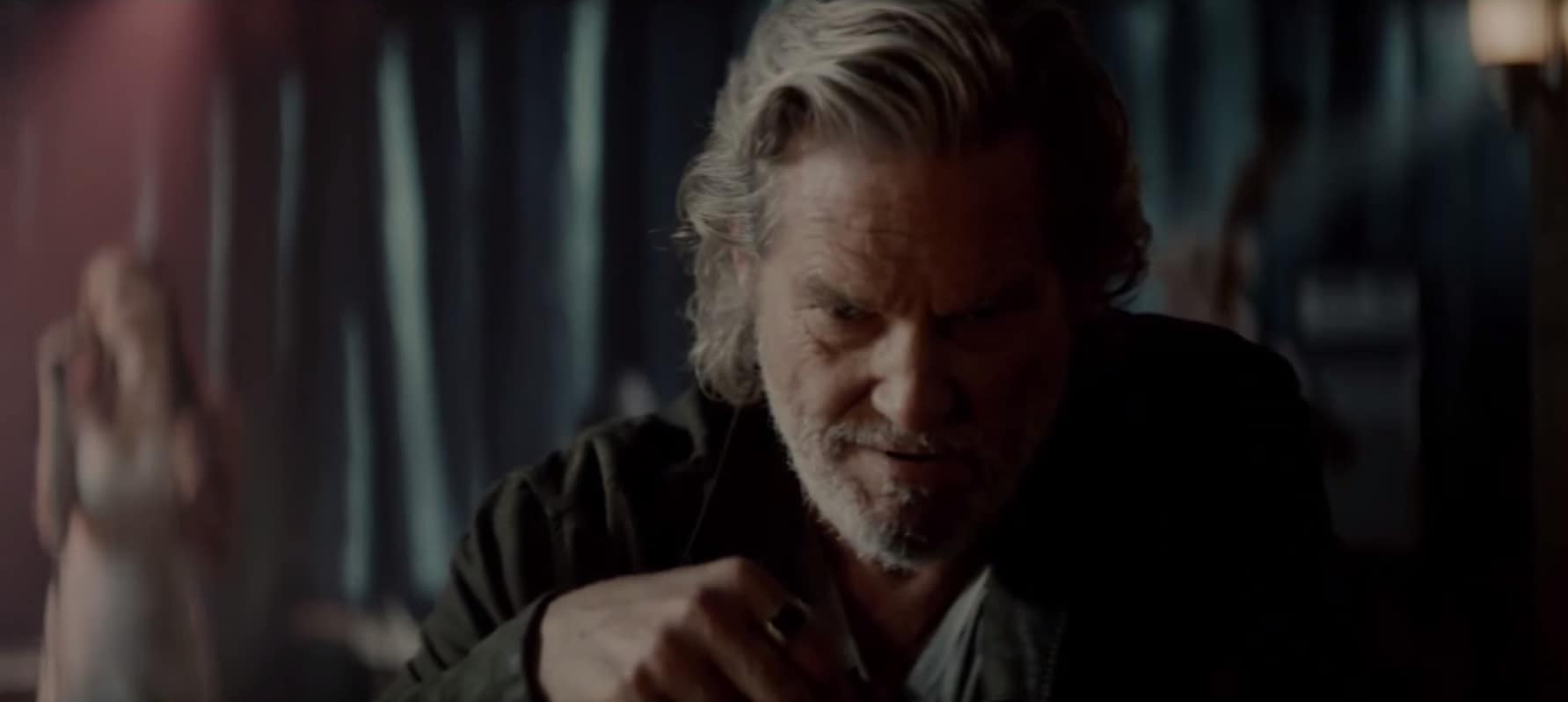
Presumably sporting a Movember ‘mostache,’  Stone plays both investor and pitchman in this recent promotional video for Vzaar – the UK video hosting service that competes with Brightcove and others. It’s sort of strange.

If the video is meant to be campy/funny then I clearly missed the humour. If it’s mean to be important and dramatic then… I missed that too. I really don’t know what to make of this video. It’s well produced, features a celebrity and has a very clear marketing message that is well delivered. It’s just …sort of strange.

It could be the dramatic music, could be Stone’s delivery, it might even be the green-screen overlay of all of the videos in the background that Stone eventually emerges from half way through the video. Something about this video is unsettling and I don’t think ‘unsettling’ is a positive brand attribute, unless you are Marilyn Manson.

I suppose the video does draw attention to itself and that’s a good thing. I’m also impressed that Stone chose to invest in the company – that’s a great endorsement of their offering. I’m just not sure how this video would make me want to use their services.

Is ‘Will it Grill’ effective marketing?

Will this viral video generate revenue? My guess is yes.

Borrowing heavily from the Blentec marketing playbook (see Will it Blend ), the good folks at EZ Grill developed this ‘What Grills Faster?’ viral video to promote their portable/disposable grills.  This video was developed by an agency and there was likely some type of seeding activity to support the video, so while the cost to develop the video was much higher than just the cost of the phones you have to imagine the budget was still relatively low.  At 350,000 YouTube views to date and growing, there are a lot of people out their (myself included) who are now aware of a product they had never heard of, or considered before.

There are also a number of people upset with the blatant waste associated with this promotion – you can sense the palpable anger in some of the YouTube comments.

Why I believe this viral video is noteworthy is that it accomplishes two very important things that most viral videos do not:
1. It makes you clearly aware of the specific product – EZ Grill and,
2.  It highlights one of the key benefits of that product – in this case a portable/disposable grill that obviously throws off a tremendous amount of heat.

Will this viral have the same success as Blendtech’s ‘Will it Blend’? I doubt it.

Will it cost effectively drive awareness of their product and therefore net new sales? …probably.

Have they set themselves up for a series of new virals (like Blendtec did) where they set ablaze any number of interesting items (there’s no end of stuff that people would like to see torched)? Perhaps.

Is this effective marketing? What do you think?

{Note:  EZ Grill is also encouraging customers to send in photos and videos of themselves using the EZ Grill product in exchange for free products. This more ‘tradional’ social media marketing technique is a good engagement technique to supplement the awareness being generated by this viral video}

T-Mobile’s next installment in the “Life’s for sharing” viral video series.

Back in early 2009, T-Mobile developed their hugely successful ‘T-Mobile Dance video in Liverpool station‘ (23 million views on YouTube). Then, three months later they delivered the T-Mobile Sing-a-long at Trafaulgar Square video. (4 millions views). A year and a half  later T-mobile has introduced their most recent video developed to support their ‘Life’s for Sharing’ brand message. With this new entry, T-Mobile has delivered yet another clever video featuring great music in public places that captures both inspired performances by participants as well as great reactions from onlookers.

Creating a hit viral video is like creating a hit record – it’s really tough to do. I’m not sure if T-Mobile will ever be able to repeat the magic of the original T-Mobile Dance video, but any video that captures millions of views, as this one surely will, has to be considered a success. All of these videos are uplifting, fun to watch and very well done. I can’t think of a better way to continue to support the ‘Life’s for Sharing’ brand positioning.

Highly effective event marketing on a budget

Companies spend millions of dollars each year attending, taking part in, or putting on events. Unfortunately most of these same companies miss a golden opportunity to leverage the confluence of really smart people (clients, suppliers, industry experts, media, staff, etc) who attend these events, trade shows and conferences to create lasting value by capturing the knowledge (the collective IP) at these events. It’s cheap, it’s easy and very few companies do it. What should you do? Conduct video interviews.

Hire a good video production company and choose someone familiar with the industry (either an employee or a third party) to interview attendees. You’ll also need one of your event coordinators to help you juggle interview schedules. Most attendees are primed for the event and are usually in the right frame of mind to be interviewed. (Asking for an interview outside the confines of the event is usually problematic and certainly a lot more expensive.) You obviously need to prioritize what questions will be asked during the interviews and take care in keeping the interview lively and relevant but considering the benefit, it’s surprising that more companies don’t allocate a small fraction of their event budget to develop these hugely valuable assets. This video content can be used in many different ways:

1. To send out on a regular basis to attendees to remind them and inform them of who was at the event and what was said.

2. To drive ongoing traffic to your event website.

3. To inform the media and industry influencers as to what is going on in the industry and how important your event is.

4. To promote the event for next year.

5. To get other people to attend and participate in the event so they may be seen as thought leaders next year.

6. The real benefit of these interviews is that the collective intelligence and thought leadership in these videos accrues to you.

The above image is a screen capture taken from a series of 30 interviews we shot for Rebel Voice at the Mobile Innovation Week in Toronto.

The recording industy still has their head in the sand.

.

Heard somewhere in a recording industry boardroom: “I’ve got it!!!! Let’s get Gilbert Gottfried to deliver a vulgar, convoluted and condescending rant to discourage piracy!” The recording industry still has their head in the sand and this video is a big ‘Kick Me’ sign that they just pinned to their own back side.

Victory Records developed this video to discourage people from illegally downloading music. Seriously. Or perhaps they figured that being offensive is a clever and effective new marketing tactic that will draw lot’s of attention to their important cause. This video fails on pretty much every level possible:

1. Having Gilbert Gottfried deliver anything more than a irritating sentence fragment is much too much.  I can’t think of a worse choice of spokeswhiner.
2. Being vulgar is really risky. Sure, Billy Connolly, George Carlin and Chris Rock elevated it to an art form but vulgar is really tough to do well.
3. This is a condescending angry rant. Q. Who is this going to appeal to? A. Absolutely no one.
4. I suppose it was intended to be funny. It’s not. Although the request at the end did make me chuckle: ‘Now pass this on to everyone you know who loves music’.  You bet.
5. The production value is… low. I guess after paying for Gottfried the next big expense was the plastic mask for the dude standing in the background.
6. The approach is really my biggest complaint. These rants don’t work. Complaining isn’t a particularly clever tactic. The recording industry (not the music industry) is dying and no amount of complaining is going to get us back to the glory days of the 60′s. Things are digital now. New reality, new problems. Figure it out. Every other business on the planet is going through the same issues to some degree – recording companies just got there ahead of everyone else. My advice: have a drink, read Chris Anderson’s book Free,  go reinvent your industry and let us know how that goes.

I wonder what the network TV guys are up to these days?

Inspired Viral Video shows performance is still a big part of the song.

.

So what did this one cost to make?

Like any popular song, an inspired video needs a hook. In this case the ‘hook’ is the band substituting their instruments with iPhone aps to play one of their recent songs ‘spontaneously’ on a New York subway. It feels real so it probably is, and if it’s not, it probably won’t matter. Did they do it in one take? Did they overdub some music in the studio? Was any of this really spontaneous? Perception is reality.

The band Atomic Tom delivered on a very simple idea – play your song using iphone aps instead of real instruments… in a public place. The video is certainly helped by good shot planning and structure: Start slow to limit expectations and build engagment as you go; Include crowd reaction shots to build interest and show that you should take notice of what’s going on; Include close-ups of the instruments to demonstrate how impressive (or ‘improbable’ for skeptics) the feat of playing a 4 inch sheet of glass can be.  And it certainly helps that the song they are promoting is a good one.

Like the experience of  Sons of Maxwell, this video will lift the band from obscurity and guarantee them their 15 minutes. The question remains, are they now on the same viral treadmill as OK Go where their future success is tied as much to the quality of their videos as it is to their music?

It’s a great video, and will no doubt inspire a thousand different (and lesser) variations on this theme.

… and yes, Steve Jobs has to be really happy with this video.